Red Leopard Print Backgrounds: Bold Design Assets for Modern Projects
There’s a reason red leopard print has never gone out of style. It carries a certain energy—confident, unapologetic, and instantly recognizable. When you bring Red Leopard Print Backgrounds into your design toolkit, you’re adding more than just a pattern. You’re adding a visual statement that commands attention and sets a specific mood before anyone reads a single word of your content.
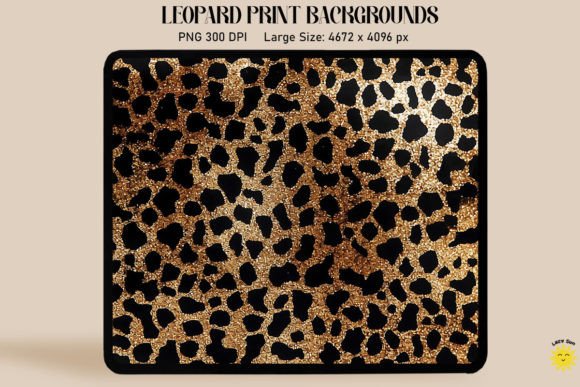
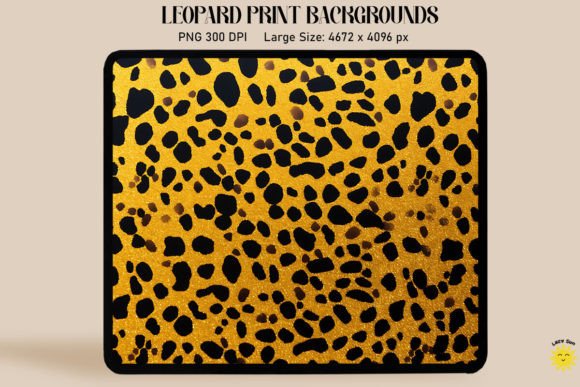
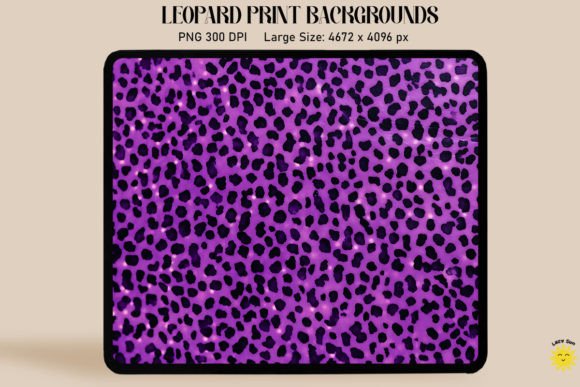
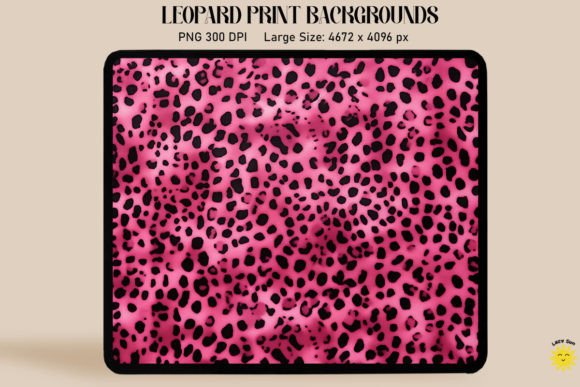
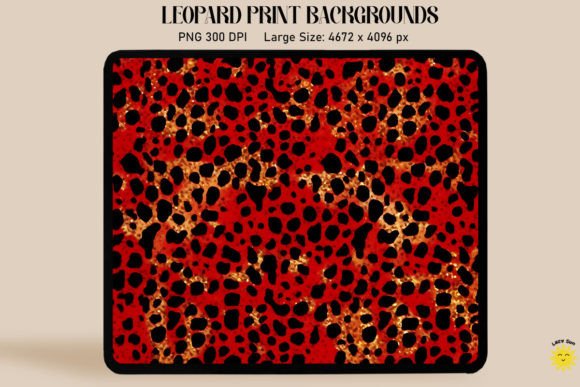
This particular set of Red Leopard Print Backgrounds comes as a high-resolution PNG file, measuring approximately 4672 by 4096 pixels at 300 DPI. That size gives you serious flexibility. You can scale it down for a social media post or blow it up for a printed banner without worrying about pixelation or quality loss. It’s a practical asset for designers who need versatility without sacrificing sharpness.
Understanding the Visual Character of Red Leopard Print
Red leopard print isn’t the same as traditional tan or brown variations. The red base shifts the entire personality of the pattern. Where classic leopard print can feel neutral or earthy, red leopard print reads as bold, energetic, and slightly rebellious. The contrast between the red background and the dark, organic spots creates a dynamic visual texture that works surprisingly well across different design contexts.
The spots themselves follow natural leopard patterning—irregular, asymmetrical, and organic. That natural randomness is what makes this kind of design asset feel authentic rather than overly polished or synthetic. It has movement. It has depth. And because it’s delivered as a single high-quality PNG, you can drop it directly into your workflow without needing to construct the pattern from scratch.
For anyone working in graphic design, packaging design, or brand identity, this kind of background does something specific: it creates immediate visual interest without requiring complex layering or illustration work. You get the impact of a custom-designed pattern with the convenience of a ready-to-use file.
Where Red Leopard Print Backgrounds Actually Work Best
Let’s get practical. A pattern this distinctive doesn’t belong everywhere, but where it fits, it fits beautifully.
Digital and Social Media Applications
On social media, scroll-stopping visuals matter. Red leopard print works exceptionally well as a background for quote graphics, product announcements, sale promotions, and story templates. The pattern is visually dense enough to create interest but not so chaotic that it overwhelms text placed on top of it—assuming you choose the right typography. Pair it with a clean sans serif font in white or black, and you’ve got a graphic that looks intentional and professional.
For Instagram, Pinterest, or TikTok thumbnails, this kind of background immediately signals a certain aesthetic. Lifestyle brands, fashion influencers, beauty bloggers, and bold personal brands can use it to reinforce their visual identity consistently across posts.
Print Projects and Physical Products
At 300 DPI, this file is genuinely print-ready. Think about invitations, greeting cards, party decorations, scrapbooking elements, and custom stickers. A red leopard print background on a birthday invitation or bachelorette party card feels fun and thematic without being childish. It works for adult-oriented events where you want personality without formality.
Small business owners selling physical products can also use this pattern in packaging design. A red leopard print tissue paper insert, a branded sticker, or a product label background can differentiate your brand on a shelf or in an unboxing video. The pattern reads as fashion-forward and confident, which suits beauty products, accessories, apparel, and lifestyle goods.
Web Design and Digital Publishing
For web design, red leopard print works best as an accent rather than a full-page background. Think hero section backgrounds behind bold headlines, sidebar accents, or featured post banners. The key is restraint. Use it where you want the eye to land, and pair it with generous white space or solid color blocks to prevent visual fatigue.
Bloggers and content creators can use it for featured image backgrounds, newsletter headers, or downloadable resource covers. If your brand leans toward the bold and expressive, this pattern becomes a recognizable part of your visual language.
Making Smart Design Decisions with Patterned Backgrounds
Working with a strong pattern like Red Leopard Print Backgrounds requires some intentionality. Here are a few things worth considering before you start designing.
- Text readability comes first. Always test your text against the background at the actual size it will appear. Add a semi-transparent overlay, a solid text box, or a subtle drop shadow if the pattern competes with your words.
- Color pairing matters. Red leopard print pairs naturally with black, white, gold, and cream. These neutral tones let the pattern remain the focal point. Avoid adding more competing colors unless you have a very specific creative direction in mind.
- Font selection influences tone. A bold display font or serif font on top of red leopard print reads as editorial and high-fashion. A rounded sans serif font feels more approachable and modern. A script font or handwritten font adds a personal, playful touch. Your font choice will shift how the entire composition feels, so test a few options.
- Scale the pattern to fit your medium. Because the file is large, you have room to crop and resize. Zooming into a section of the pattern gives you a more abstract texture. Showing the full repeat creates a traditional all-over print effect. Both approaches work—they just serve different purposes.
Practical Notes on File Delivery and Usage
The file arrives as a compressed ZIP folder, so you’ll need to extract it on your computer before use. Most operating systems handle this natively—right-click and extract on Windows, double-click on Mac. Once unzipped, you have a single PNG file with a transparent-friendly format ready for layering in your preferred design software.
A few honest notes worth knowing upfront. The file is not an SVG, so it’s not designed for vector-based cutting machines. If you’re working with a Cricut or Silhouette, you’ll need to convert or trace it, which may not produce clean results given the organic nature of the pattern. Colors may also appear slightly different depending on your screen calibration and printer settings, so running a small test print before committing to a large batch is always a smart move.
For commercial use, this kind of premium design asset gives you a professional foundation to build on. Whether you’re creating social media graphics for a client, designing packaging for your own product line, or building out a cohesive brand identity, having a high-quality pattern file saves time and elevates the final result.
Final Thoughts on Working with Bold Patterns
Red leopard print isn’t a background you choose when you want to blend in. It’s a deliberate creative choice that says something about the brand or project using it. It works best when the rest of your design decisions support its energy—clean layouts, intentional typography, and a clear visual hierarchy.
If your project calls for confidence, warmth, and a touch of edge, Red Leopard Print Backgrounds deliver that reliably. It’s one of those creative assets that earns its place in a designer’s library not because it’s universally applicable, but because when the right project comes along, nothing else quite does the same job.